
Musculoskeletal
DVA Chondromalacia Patella Compensation Claims
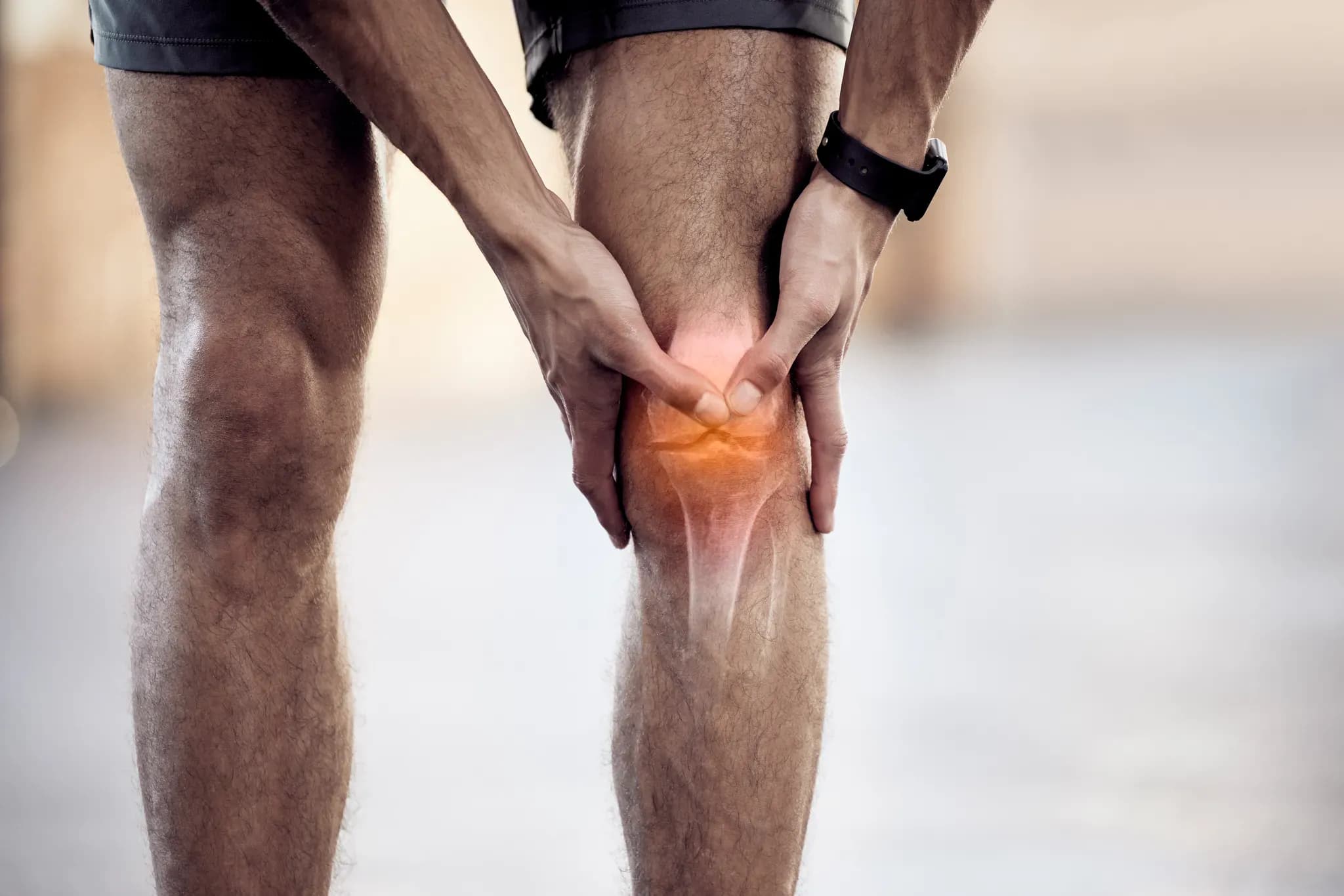
Chondromalacia patella (softening and degeneration of the articular cartilage on the underside of the kneecap) is directly linked to the repetitive loading demands of military physical training. It causes anterior knee pain, particularly on stairs, squatting, and after prolonged sitting.
Reviewed by Luke Martin · Co-Founder, Clear Path Veterans · Updated September 2026
Why Chondromalacia Patella is common in the ADF
Running, jumping, and load carriage on hard surfaces during ADF training and operations are the primary causes of chondromalacia patella. It is particularly common in veterans who spent years in physically demanding ground roles.
Medical access
Provisional Access to Medical Treatment (PAMT)
Chondromalacia Patella is on the PAMT list. This means you can access funded medical treatment while your DVA claim is being assessed, you do not need to wait for a liability decision to start treatment.
Physiotherapy and knee rehabilitation
Orthopaedic specialist consultations
Imaging as clinically indicated
Deadline: PAMT applications for Chondromalacia Patella must be lodged by 30 June 2026. After this date, PAMT will no longer be available as the VETS Act takes effect. Do not wait.
Statement of Principles, in plain English
DVA assesses your claim against a Statement of Principles (SoP). Here are the key factors that most commonly apply to Chondromalacia Patella claims, translated from the legal language.
Repetitive physical loading of the knee: running, squatting, load carriage
At least 1,000 hours of qualifying physical activity within a 10-year period
Trauma to the patella or knee joint during service
Physical trauma to the kneecap during service activities
Conditions that commonly develop alongside
Veterans with Chondromalacia Patella often develop related conditions that may also be claimable. These are worth assessing at the same time as your primary claim.
What to expect for impairment points
Chondromalacia patella impairment is assessed based on pain severity, functional limitation, and the degree of cartilage damage on imaging.
Use the DVA PI Points CalculatorWhat a strong Chondromalacia Patella claim looks like
MRI of the knee confirming chondromalacia
Orthopaedic specialist report
Service records establishing physical training demands
DVA currently takes 3–6 months to decide most initial liability claims. Complex or multi-condition claims can take longer. Lodging a complete, decision-ready claim upfront reduces back-and-forth.
Processing times guideCommon questions about Chondromalacia Patella claims
Ready to claim Chondromalacia Patella?
Book a free consultation and we'll walk you through whether your condition meets the SoP factors, what evidence you need, and how to build a decision-ready claim.
Book a free consultationRelated conditions
The information on this page is general in nature and does not constitute legal, medical, or financial advice. Clear Path Veterans Pty Ltd (ABN 78 690 447 879) is not a law firm and our team are not registered legal practitioners. For medical concerns, consult a qualified health professional. For legal advice, consult a lawyer experienced in military compensation law. Individual circumstances vary and outcomes depend on the specific facts of each case.